
Expert Care for Your Eyes
At Kampala Eye & Lasik Hospital, We understand that your vision is invaluable. As East Africa's premier eye care facility, we combine world-class ophthalmologists with latest technology to ensure your eyes receive the safest, most effective treatment possible. Your sight is our highest priority.
Experience the Future of Eye Care
At Kampala Eye & Lasik Hospital, we leverage state-of-the-art technology to provide unparalleled eye care. Our commitment to excellence ensures that every patient receives personalized attention and the highest quality of service.
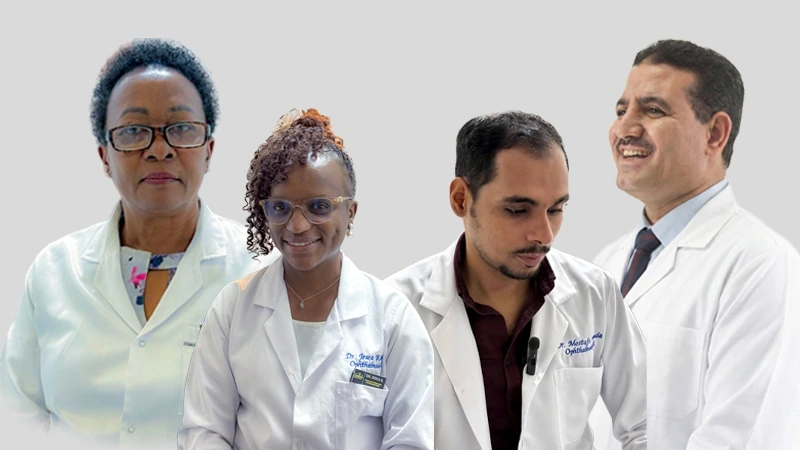
A Team of Leading Eye Specialists
Our team comprises internationally trained specialists dedicated to your vision health.
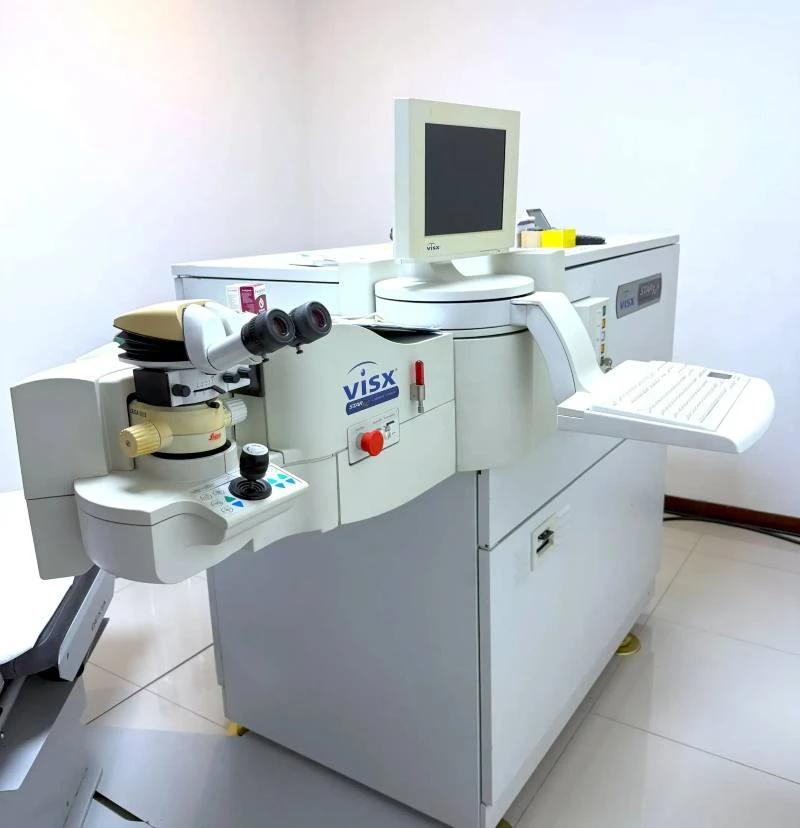
The Latest in Eye Care Technology
Join us in transforming your vision with our innovative treatments.
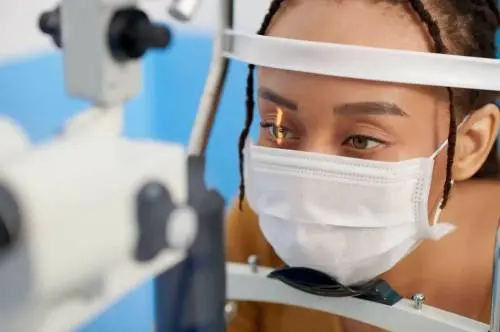
Complete Eye Care Under One Roof
From routine exams to advanced surgeries, we cover it all.
Our Partners



Services
Explore our comprehensive range of eye care services
tailored to your unique vision needs.
Click on
any service to learn more
Our thorough eye examinations utilize advanced diagnostic equipment to assess your visual acuity, check the overall health of your eyes, and detect potential issues long before they can affect your vision.
Includes all 10 comprehensive diagnostic tests
Expert interpretation of results by our ophthalmologists
Detailed explanation of all findings
Includes a FREE follow-up review
We use an advanced, minimally invasive technique called Phacoemulsification to treat cataracts, ensuring a quick procedure, faster healing, and better visual outcomes for our patients.
Procedure performed through a tiny incision (2-3mm)
No stitches are needed, promoting faster healing
Quick 15-20 minute procedure
Premium lens options available (monofocal, multifocal, toric)
We offer specialized diagnosis and treatment for a wide range of conditions affecting the retina and vitreous, using advanced technology to preserve and restore sight.
Diabetic Retinopathy
Macular Degeneration & Macular Holes
Retinal Detachment
Retinal Vascular Disorders & Vitreous Hemorrhage
We provide specialized screening and treatment for all diabetes-related eye conditions, coordinating with your primary care team to prevent vision loss.
Comprehensive diabetic retinopathy screening
Early detection of vascular changes in the retina
Laser therapy for retinal complications
Anti-VEGF injections when necessary
We provide comprehensive care for this progressive corneal condition, utilizing modern treatments to halt its progression and improve vision.
Early detection and advanced topography-guided monitoring
Corneal Cross-Linking (CXL) to strengthen the cornea
Specialized contact lens fitting
Corneal transplantation for advanced cases
We offer specialized aesthetic and reconstructive procedures for the eye area, designed to rejuvenate your appearance and correct functional issues.
Blepharoplasty (eyelid lift)
Ptosis (droopy eyelid) correction
Removal of eye spots, freckles, and brown patches
Under-eye rejuvenation including tear trough fillers
As leaders in refractive surgery, we offer cutting-edge laser procedures designed to restore your natural vision and eliminate dependency on glasses and contact lenses, with quick recovery and long-lasting results.
LASIK (Laser-Assisted In Situ Keratomileusis)
PRK (Photorefractive Keratectomy)
SMILE (Small Incision Lenticule Extraction)
Laser removal of eye spots and blemishes
Our comprehensive approach to glaucoma focuses on early detection and personalized management to protect your vision from the effects of this progressive condition.
Early detection through specialized testing
Medical management with the latest medications
Surgical interventions including Minimally Invasive Glaucoma Surgery (MIGS)
Ongoing pressure monitoring and personalized management plans
Our expert team corrects eye misalignment in both children and adults, improving not only cosmetic appearance but also binocular vision and eye muscle function.
Comprehensive evaluation of eye muscle function
Precise surgical correction techniques
Non-surgical alignment options when appropriate
Post-operative vision therapy to optimize results
Our surgeons perform advanced corneal procedures to restore vision for patients with corneal disease or injury, offering comprehensive pre- and post-operative care.
Full-thickness (penetrating) keratoplasty
Partial-thickness (lamellar) transplants like DMEK and DSEK
Artificial cornea implantation for complex cases
Long-term graft management
Our gentle, child-friendly approach addresses a range of pediatric eye conditions, with a focus on early detection and effective treatment to ensure healthy visual development.
Treatment for Amblyopia (lazy eye) and Strabismus (crossed eyes)
Correction of refractive errors in children
Vision screening for learning difficulties
Management of pediatric eye emergencies
Our full-service optical department provides a wide range of solutions to meet your vision correction needs, with premium products and expert fitting services.
Prescription eyeglasses with premium lens options
Wide selection of designer frames and sunglasses
Professional contact lens fitting and supplies
Specialized lenses for sports, safety, and digital eye strain
Common Eye Conditions
From minor irritations to serious conditions, our goal is to provide a clear diagnosis and an effective treatment plan. Learn more about some of the conditions we treat.

Redness in the eyes occurs when the small blood vessels on the surface of the eye become swollen and irritated, leading to a noticeably pink or red appearance.
Fatigue or lack of sleep
Environmental irritants like smoke, dust, or wind
Allergies
Dry eyes
Underlying eye infections
Noticeable redness or pinkness in the white of the eye
A gritty, "stony," or sandy feeling
Burning or irritation
Swollen eyelids
Our first step is a thorough examination to identify the root cause of the redness. Treatment may involve medicated eye drops to reduce inflammation, allergy management, or antibiotics if an infection is present. We focus on providing relief and addressing the underlying issue to prevent recurrence.

Itchy and watery eyes are often a sign of ocular allergies (allergic conjunctivitis), triggered when your immune system overreacts to an irritant. This causes the release of histamine, leading to itching, redness, and swelling.
Pollen from trees, grass, and weeds
Dust mites
Pet dander
Mold
Certain chemicals in makeup or perfumes
Intense itching and rubbing of the eyes
Clear, watery discharge
Redness and swelling of the eyelids
Often accompanied by other allergy symptoms like a stuffy nose
Our ophthalmologists can accurately diagnose the cause of your eye allergies and provide effective relief. Treatment often includes prescription antihistamine eye drops, mast cell stabilizers, and guidance on how to avoid or manage exposure to allergens.
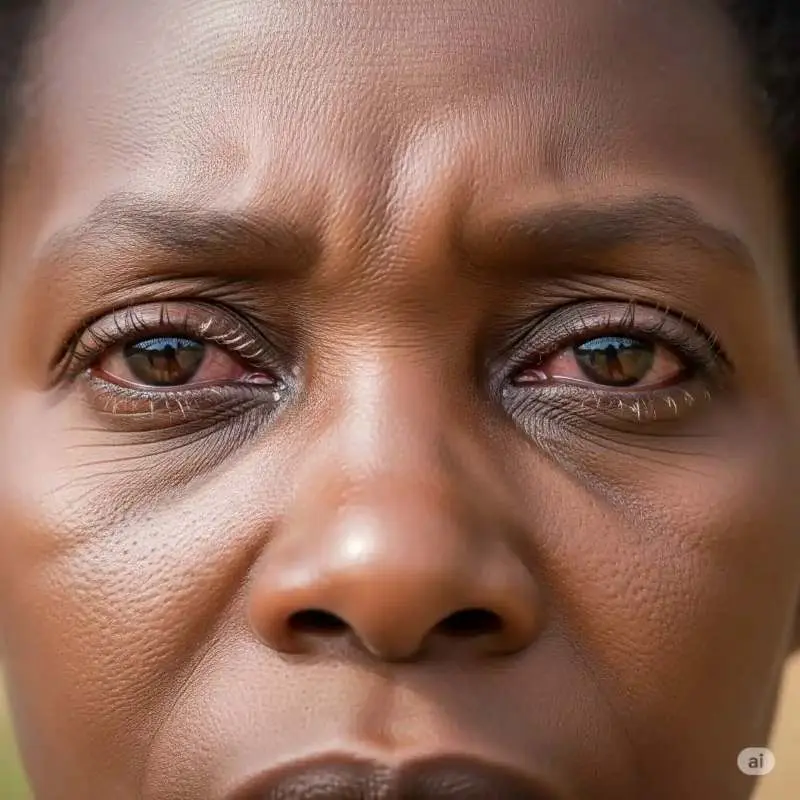
Dry Eye Syndrome occurs when your eyes do not produce enough quality tears to stay lubricated and comfortable. It's a very common condition that can lead to significant discomfort and irritation.
The natural aging process
Prolonged screen time (computer vision syndrome)
Dry or windy environments
Certain medications or medical conditions
A stinging, burning, or scratchy sensation
Stringy mucus in or around your eyes
Sensitivity to light
A feeling of having something in your eyes
Periods of excessive tearing (your body's response to irritation)
We provide personalized management plans for dry eyes, which can include prescribing advanced lubricating eye drops (artificial tears), recommending lifestyle adjustments, and, in more persistent cases, performing minor procedures to help your eyes retain more of their natural tears.

An eye infection occurs when harmful microorganisms like bacteria, viruses, or fungi invade parts of the eyeball or surrounding area. The most common type is conjunctivitis, also known as "pinkeye."
Contagious viruses, similar to the common cold
Bacteria from hands or contaminated items touching the eye
Improperly cleaned contact lenses
Fungi (less common)
Pink or red color in the white of the eye
Swelling of the conjunctiva and/or eyelids
Thick yellow or greenish discharge (common in bacterial infections)
Crusting of eyelids or lashes, especially in the morning
Proper diagnosis is key, as treatment differs for bacterial and viral infections. After an examination, we will prescribe the appropriate antibacterial or antiviral eye drops to clear the infection, reduce discomfort, and prevent it from spreading.

A common and treatable condition where the natural, clear lens of the eye becomes cloudy over time, leading to a progressive and painless loss of vision, much like looking through a foggy window.
The natural aging process is the most common cause
Prolonged exposure to ultraviolet (UV) sunlight
Genetics and family history
Medical conditions like diabetes
Long-term use of steroid medications
Cloudy, blurry, or dim vision
Increasing difficulty with vision at night
Colors appearing faded or yellowed
Increased sensitivity to light and glare
We treat cataracts using advanced, stitch-less Phacoemulsification surgery. This quick (15-20 minute) and minimally invasive procedure is designed to safely remove the cloudy lens and replace it with a premium artificial lens, restoring clear and vibrant vision with a rapid recovery time.

A condition in which the eyes do not line up with one another. In other words, one eye is turned in a direction that is different from the other eye. It is especially common in children.
Problems with the eye muscles or the nerves that control them.
Can be hereditary.
Genetics and family history
Eyes that appear misaligned or do not move together
Squinting or closing one eye in bright sunlight
Tilting the head to look at objects
Double vision
Our expert team provides comprehensive evaluation and treatment for both children and adults. Options can include prescription eyeglasses, vision therapy, or precise surgical procedures to correct the alignment of the eye muscles.

A group of eye and vision-related problems that result from prolonged use of digital screens like computers, tablets, and smartphones, causing significant discomfort.
Staring at digital screens for extended periods without breaks
Poor lighting or improper viewing distances
Glare and reflections off the screen
Uncorrected, underlying vision problems
Sore, tired, or burning eyes
Headaches concentrated around the temples and behind the eyes
Blurred or double vision
Increased sensitivity to light
Neck and shoulder pain
We begin with a comprehensive exam to rule out any underlying vision issues. Treatment includes advising on proper screen ergonomics, recommending the "20-20-20" rule for breaks, and prescribing specialized computer glasses with anti-reflective coatings to reduce strain and improve comfort.

A condition characterized by an overflow of tears onto the face. While it can be a temporary response to emotion or irritants, persistent watery eyes can signal an underlying medical issue with tear production or drainage.
Blocked tear ducts (a very common cause)
Dry Eye Syndrome (the eyes produce excess tears to combat irritation)
Allergies or infections
Environmental factors like wind, smoke, or bright light
Excessive tearing that runs down the face
The need to constantly wipe your eyes
Blurry vision caused by the excess fluid
Sometimes accompanied by soreness or irritation
A thorough examination is crucial to determine the cause. If caused by dry eyes or allergies, we will treat that condition. If a blocked tear duct is the issue, we can perform a simple, minimally invasive procedure to open the drainage channel and resolve the problem permanently.
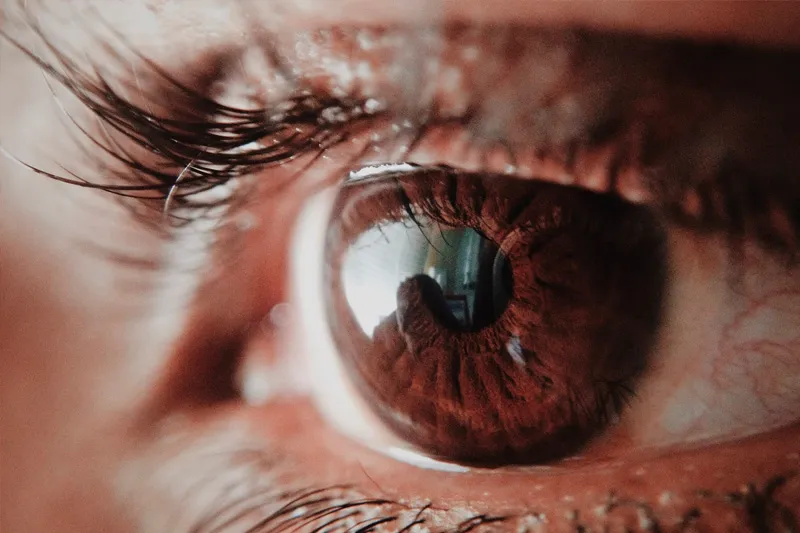
A serious condition that causes progressive damage to the optic nerve, which connects the eye to the brain. It is often, but not always, associated with high pressure inside the eye.
High internal eye pressure (intraocular pressure)
Age (risk increases significantly over 60)
Family history of glaucoma
Certain ethnicities and medical conditions like diabetes
Often has no symptoms in its early stages
Gradual loss of peripheral (side) vision
Tunnel vision in the advanced stages
Sudden eye pain, halos around lights, and nausea (in acute cases)
Our approach focuses on early detection and management to protect your optic nerve. Treatment includes prescription eye drops to lower eye pressure, advanced laser therapies, and, when necessary, Minimally Invasive Glaucoma Surgery (MIGS) to improve fluid drainage from the eye.

A serious complication of diabetes that affects the light-sensitive tissue at the back of the eye (the retina). It is caused by damage to the retinal blood vessels from prolonged high blood sugar levels.
Poorly controlled blood sugar levels in Type 1 or Type 2 diabetes
Duration of diabetes (the longer you have it, the higher the risk)
High blood pressure and high cholesterol
Floaters, or dark spots in your vision
Blurred vision
Dark or empty areas in your vision
Vision loss
We provide comprehensive screening and management for diabetic retinopathy. Treatment is aimed at slowing the progression and can include laser therapy to seal leaking blood vessels and specialized injections (Anti-VEGF) to reduce swelling and prevent the growth of new, abnormal vessels.
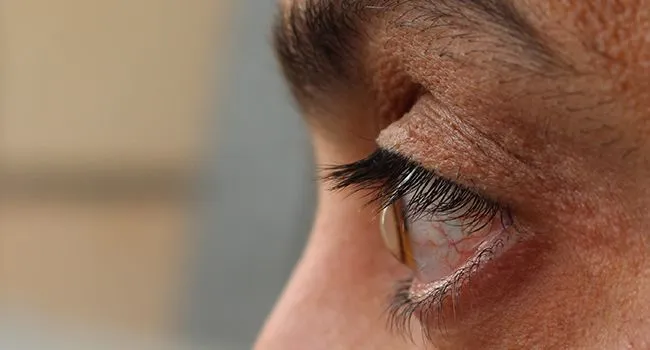
A progressive eye condition in which the normally round, dome-shaped cornea thins and begins to bulge outward into a cone shape. This cone shape deflects light as it enters the eye, causing distorted vision.
The exact cause is unknown, but genetics are believed to play a major role.
Associated with excessive eye rubbing, certain allergies, and other systemic diseases.
Blurring and distortion of vision
Increased sensitivity to light and glare
Frequent changes in eyeglass prescription
Seeing "ghost images" or multiple images
Our goal is to halt the progression of the condition and improve vision. For early stages, we offer Corneal Cross-Linking (CXL) to strengthen the cornea. For more advanced cases, we provide specialized contact lenses or corneal transplant surgery.

A common vision condition in which you can see objects near to you clearly, but objects farther away are blurry. It occurs when the shape of your eye causes light rays to bend (refract) incorrectly.
Genetics is a primary factor.
The eyeball growing too long or the cornea being too curved.
Can be influenced by prolonged close-up work.
Blurry vision when looking at distant objects
Needing to squint or partially close the eyelids to see clearly
Headaches caused by eyestrain
We provide comprehensive solutions including precisely prescribed eyeglasses and contact lenses. For a permanent solution, we are leaders in laser vision correction procedures like LASIK, PRK, and SMILE that reshape the cornea to correct vision.

A vision condition in which you can see distant objects clearly, but objects nearby may be blurry. The degree of your farsightedness influences your focusing ability.
Genetics is a primary factor.
The eyeball being shorter than normal or the cornea being too flat.
Nearby objects appear blurry
Needing to squint to see clearly
Eyestrain, including burning eyes and aching in or around the eyes
Headaches after close-up tasks like reading
Correction focuses on helping the eye to focus light correctly. This is achieved through custom-prescribed eyeglasses or contact lenses. Laser vision correction is also an excellent and permanent option for many candidates.

A common imperfection in the curvature of your eye's cornea or lens. With astigmatism, your eye is shaped more like a rugby ball than a football, which causes blurred or distorted vision at all distances.
It is usually present from birth and is often hereditary.
Can also result from an eye injury, disease, or surgery.
Blurred or distorted vision at any distance
Eyestrain or discomfort
Headaches
Difficulty with night vision
Astigmatism can be effectively corrected with eyeglasses or specialized "toric" contact lenses. For a permanent solution, our advanced laser vision correction procedures are highly effective at reshaping the cornea to correct the imperfection.
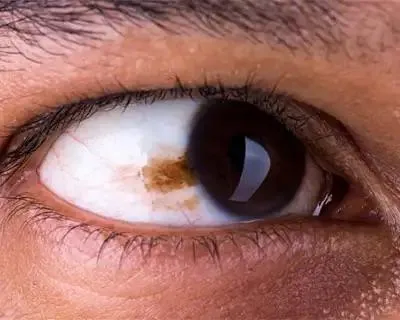
A nevus is a common, colored growth on or in your eye, similar to a mole on your skin. They are usually benign (harmless) but require monitoring as, in rare cases, they can change over time.
They are made up of a collection of pigment cells called melanocytes.
The exact cause is unknown, but they are often present from birth or develop with age.
Usually, there are no symptoms.
Appears as a small, dark spot (freckle) on the white of the eye, or it can be found inside the eye during an exam.
our ophthalmologists recommend regular monitoring with high-resolution photography to document the size and shape. This ensures that any changes, however rare, are detected early. If a nevus shows signs of change, a biopsy or laser treatment may be considered.

A condition where bright lights cause discomfort, pain, or avoidance. Photophobia is not an eye disease itself but is a common symptom of many other underlying conditions.
Migraines and severe headaches
Significant eye inflammation or infection (e.g., uveitis)
Corneal abrasion or irritation
Severe dry eyes
A side effect of certain medications
An urgent need to squint or close your eyes in bright light
Eye pain or discomfort when exposed to sunlight or indoor lighting
Watery eyes
Seeing halos or glare around lights
Our primary focus is to perform a thorough diagnostic exam to identify and treat the root medical cause of the sensitivity. Depending on the findings, treatment may involve medicated eye drops for inflammation, managing dry eye syndrome, or recommending specialized lenses, such as photochromic (transition) or polarized lenses, to reduce discomfort.
Specialized Departments
We have invested in state-of-the-art facilities to ensure every aspect of your eye health is managed with precision, safety, and expertise under one roof.
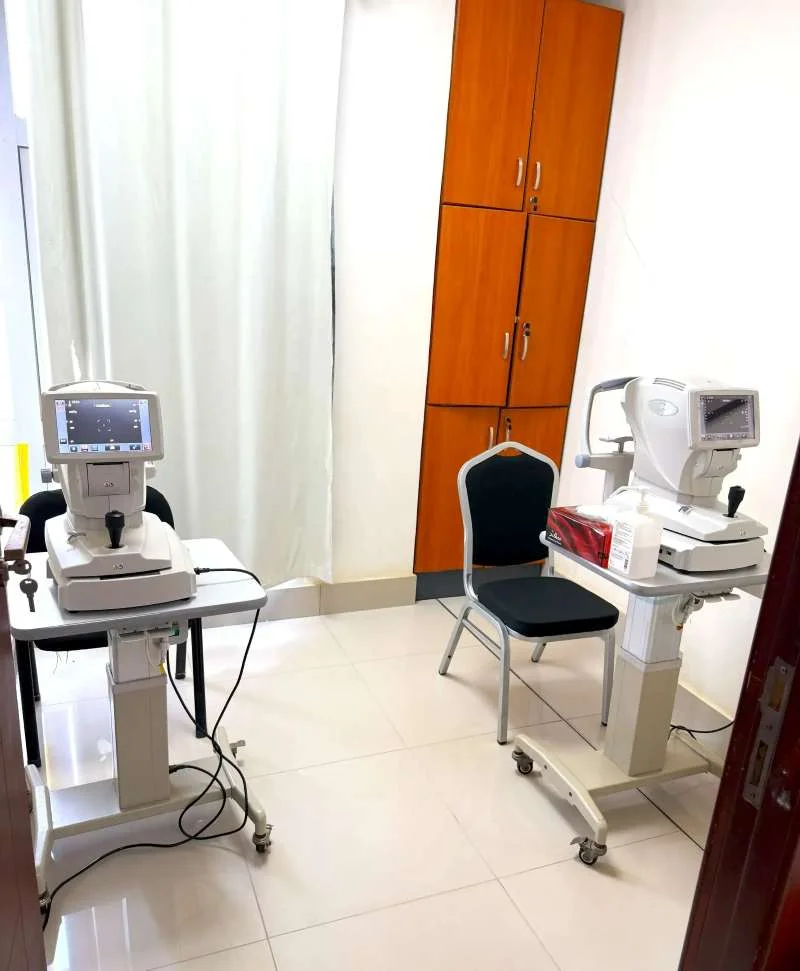
Examination & Scan Department
Our advanced diagnostic tools provide a precise and complete understanding of your eye health, ensuring an accurate diagnosis from the start.
Pentacam / Corneal Topography
Optical Coherence Tomography (OCT)
Visual Field Analyzer
B-scan & A-scan Ultrasound
Fundoscopy
Intra Ocular Pressure (IOP) Measurement
Refraction Test
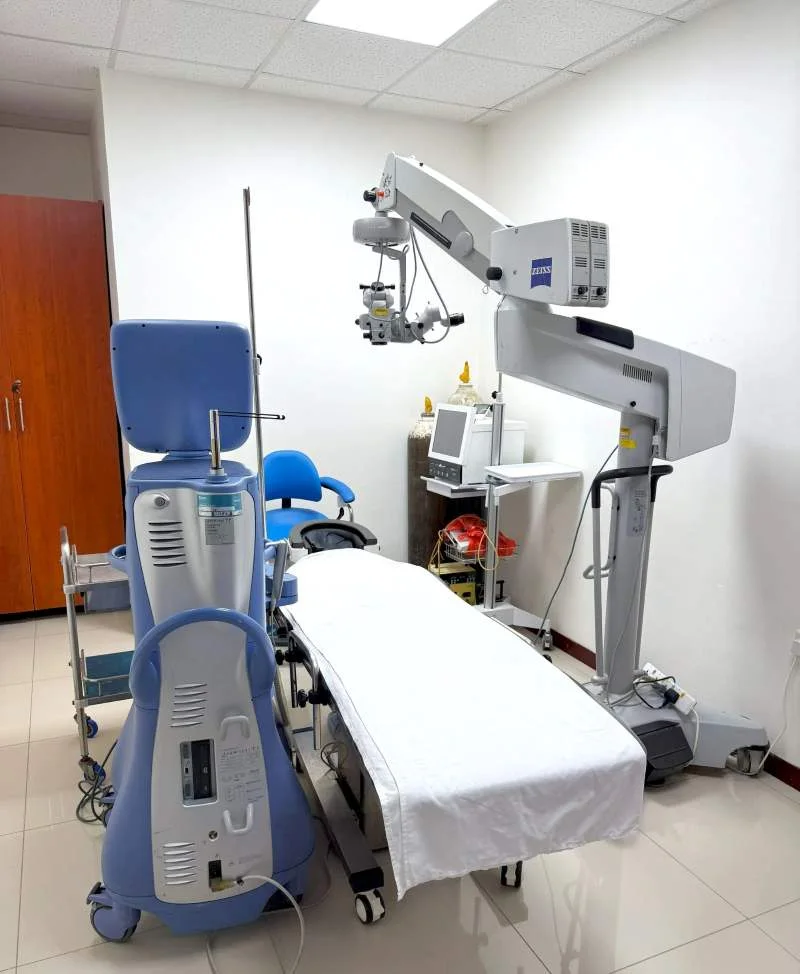
Surgical / Theater Department
Our modern surgical theater is designed for a wide range of advanced procedures, all performed by our expert surgeons in a safe, sterile environment.
Cataract Surgery (Phacoemulsification)
Glaucoma Procedures (Trabeculectomy, MIGS)
Corneal Transplantation (PKP, DSEK, DMEK)
Oculoplastic & Eyelid Surgery
Retina Surgery (Vitrectomy)
Pterygium Removal
Strabismus (Squint) Correction

Laser & Refractive Department
Our laser suite features the latest technology for vision correction and therapeutic treatments, delivering every procedure with unparalleled precision.
Argon Laser Treatments
YAG Laser Treatments
Custom Wavefront-Guided LASIK
SMILE (Small Incision Lenticule Extraction)
Corneal Crosslinking
PRK (Photorefractive Keratectomy)

Optical & Glasses Department
Our full-service optical department offers a curated selection of high-quality frames, lenses, and contacts to suit your vision needs and style.
Diverse Selection of Frames
Progressive Lenses
Single Vision Lenses
Bifocal Lenses
Contact Lens Fitting & Supplies

On-Site Pharmacy
Our on-site pharmacy provides convenient access to all the prescribed medications and eye drops you need for your treatment and recovery.
Full Range of Ophthalmic Eye Drops
Approved & Certified Medications
Integrated & Convenient Service
Meet Your Eye Care Experts
When you choose our hospital, you're placing your vision in the hands of some of Uganda's most qualified and dedicated eye specialists. Our diverse team combines local and international experience to deliver exceptional care.
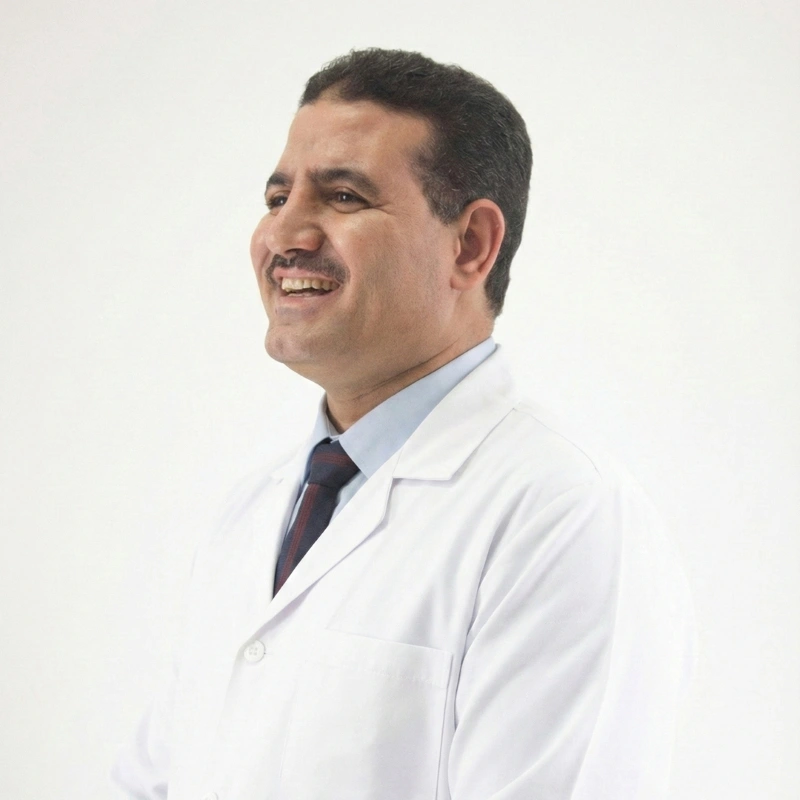
Over 17 years of specialized experience
Expert in advanced corneal and refractive surgery
Fellow of the Royal College of London

Over 35 years of comprehensive experience
Expert in Glaucoma & Vitreoretinal Surgery
Recipient of the Presidential Award for Professional Excellence
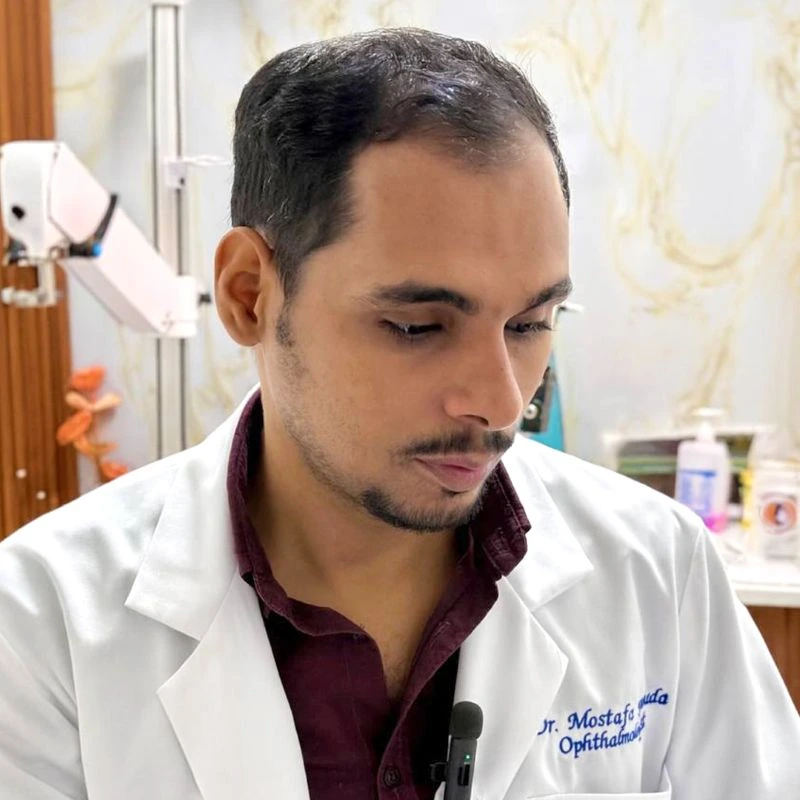
Cataract and anterior segment expert
Specialist in squint (strabismus) correction and alignment surgery
Skilled in spot removal and corneal clearing procedures

Expert in child eyecare
Diagnostic expert
Skilled in spot removal and corneal clearing procedures
Our Unique Approach to Eye Care
Our process is designed to ensure you receive the most accurate diagnosis, the most effective treatment, and the dedicated support you need for a successful recovery.
Detailed Examination
Thorough Assessment
Comprehensive Eye Evaluation
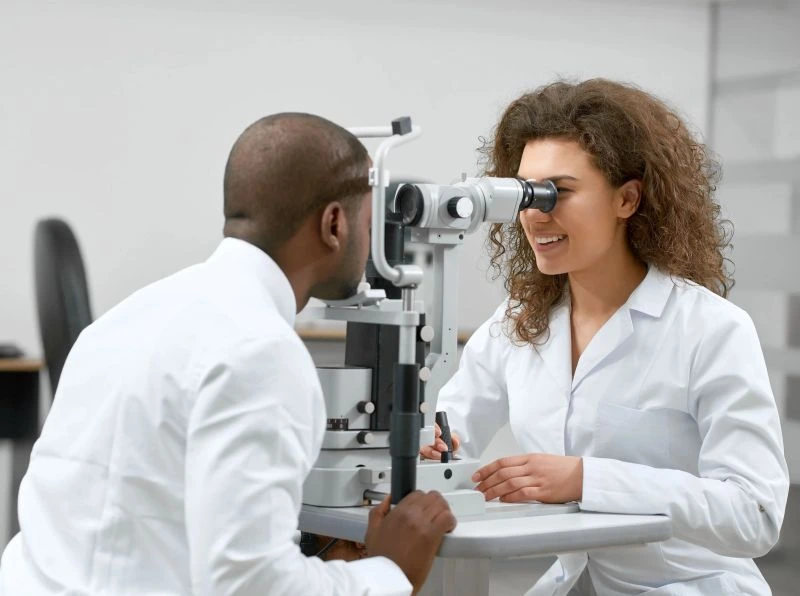
Your journey begins with a thorough eye examination using advanced diagnostic technology. We assess the complete health of your eyes to identify the root cause of any issue, ensuring an accurate diagnosis before creating your personalized treatment plan.
Specialized Treatment
Tailored Solutions
Personalized Treatment Plans
Based on your diagnosis, our specialists develop a treatment plan tailored to your specific condition and vision goals. We utilize the latest technology and techniques—from advanced laser surgery to non-surgical solutions—to achieve the best possible outcome.
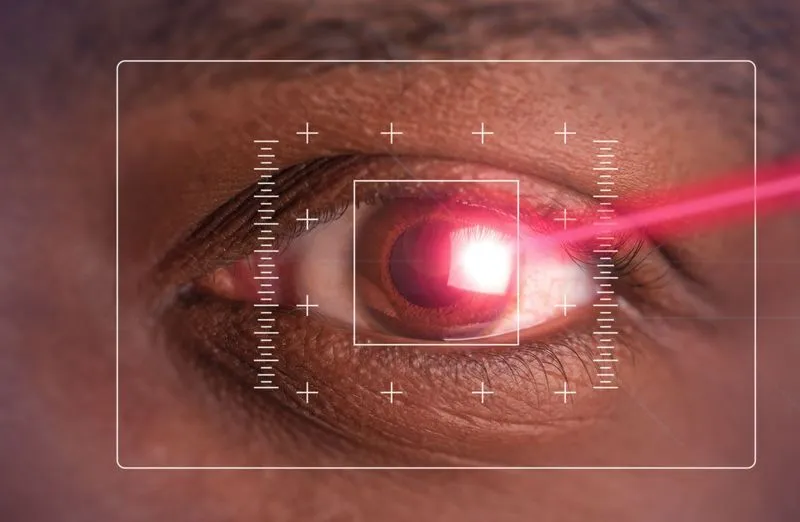
Follow-Up Care
Continuous Support
Ongoing Care and Monitoring
Our commitment doesn't end after your treatment. We provide comprehensive follow-up care to monitor your recovery, answer questions, and ensure your eyes are healing properly. This dedicated support is crucial for securing your long-term health and lasting clarity.

Patient Testimonials
Our success is measured by the improved vision and quality of life we provide to our patients. Here are some of their stories.
Book Consultation
Choose how to connect with us using the buttons below. We're here to help with all your eye care needs.
FAQs
Find answers to your questions about our eye care services and procedures.
We highly recommend booking an appointment in advance. This allows us to reserve a specific time for you with a specialist, which significantly reduces your waiting time. However, we do accept walk-in patients, who will be seen based on doctor availability.
A complete eye examination costs 80,000 UGX. This is a comprehensive package that includes a full diagnostic examination with our advanced equipment, a detailed consultation with one of our ophthalmologists to discuss the findings, and a free follow-up review
While we do not currently accept insurance plans directly, we are actively working with various stakeholders to bring this service on board as soon as possible. We can provide you with a detailed receipt for your consultation and treatment that you can use for your own reimbursement purposes if your plan allows.
We are a specialized outpatient hospital. This means that all our consultations, treatments, and surgical procedures are performed on a same-day basis. Our advanced, minimally invasive techniques are designed to allow you to return to the comfort of your own home for recovery without needing an overnight stay.
Patient comfort is our top priority. All surgical procedures, including LASIK and cataract surgery, are performed using anesthetic eye drops to completely numb the eye, so you should not feel any pain. You may experience a mild sensation of pressure, but our team will be with you every step of the way to ensure you are comfortable.
Still have questions?
We're here to help you with any inquiries.